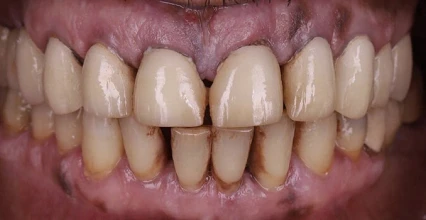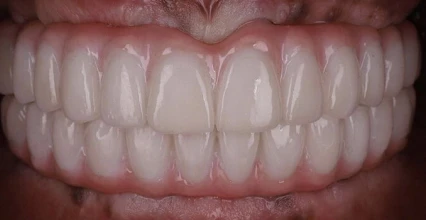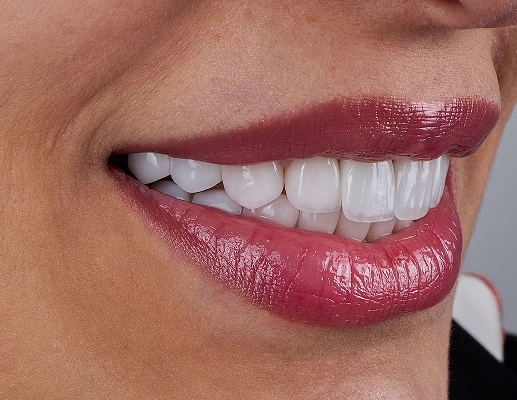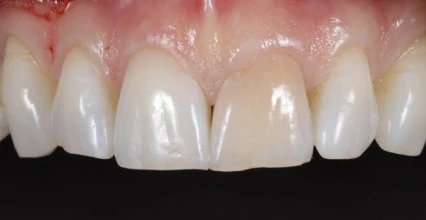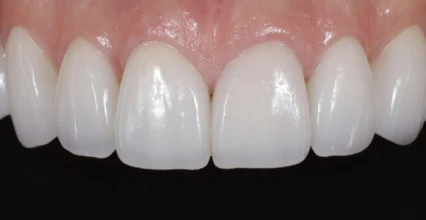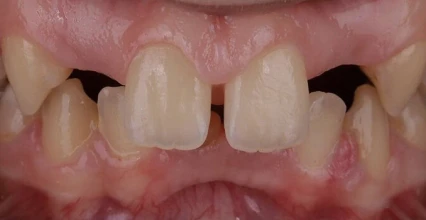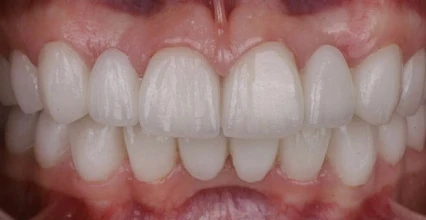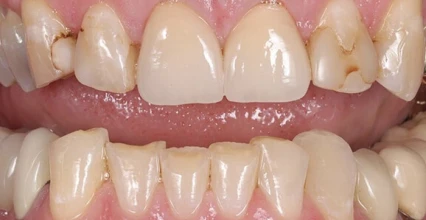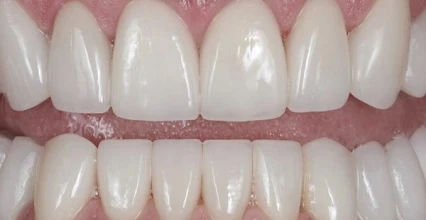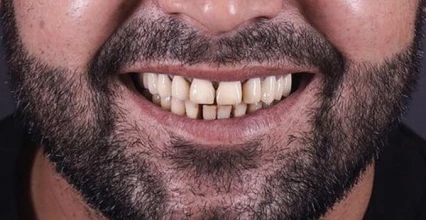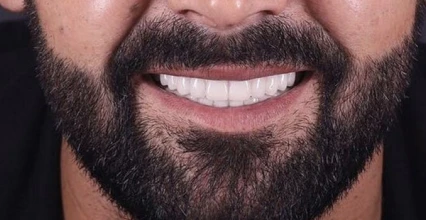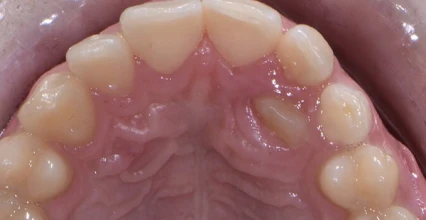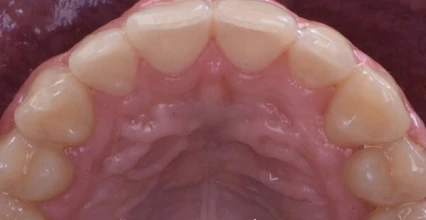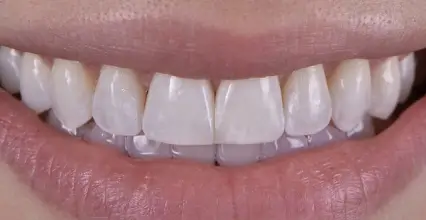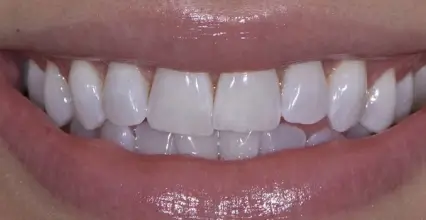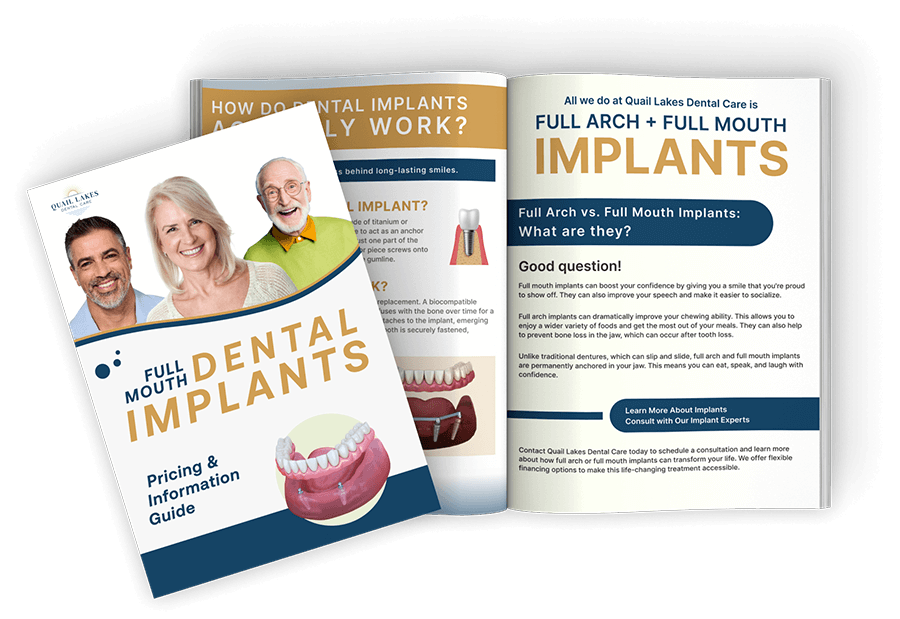
Many people in Stockton, CA, who struggle with missing teeth are turning to All-on-4 implants for a reliable, long-lasting solution. All-on-4 implants replace an entire arch of teeth using just four carefully placed implants, making it faster and less invasive than traditional methods. This approach provides stability and a natural appearance without the need for multiple surgeries.
This treatment is designed to improve comfort and restore confidence by allowing patients to enjoy everyday activities like eating and speaking without worry. Stockton dental experts focus on making the process smooth and tailored to each person’s needs, offering modern techniques that support faster healing.
If someone is exploring options to replace missing teeth, understanding how All-on-4 works and why it’s a popular choice could be the first step toward a healthier smile. They can consider reaching out to local dentists to discuss if it’s right for their unique situation.
Understanding All-on-4 Dental Implants
All-on-4 dental implants provide a stable, long-lasting solution for patients missing most or all of their teeth. This approach uses just four implants to support a full arch of replacement teeth, making it less invasive and quicker than traditional methods. Patients considering this option often want to know how it differs from other implants, who can benefit, and what the evaluation involves.
How All-on-4 Differs from Traditional Implants
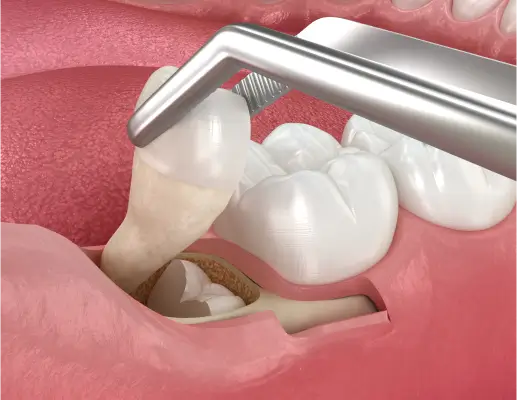
Traditional dental implants typically require one implant per missing tooth, which means more surgeries, longer healing times, and higher costs. All-on-4 simplifies this by placing four strategically angled implants in the jaw. This allows for better use of available bone, often avoiding the need for bone grafting.
The technique supports a full fixed prosthetic, unlike dentures which can slip or irritate gums. Because fewer implants are used, patients usually experience faster treatment time and less discomfort. This approach is especially beneficial for people with bone loss or those seeking a quicker, more cost-effective alternative.
Who Is a Candidate for This Procedure
Candidates for All-on-4 implants are usually patients missing most or all teeth in one or both jaws. Good overall health is important, including healthy gums and sufficient jawbone density to support implants. However, the angled placement can often bypass areas of bone loss.
Patients with chronic conditions such as diabetes or smokers can still qualify, but they may need additional evaluation to ensure proper healing. A dentist will also consider oral hygiene habits, as keeping implants clean is crucial for long-term success.
What to Expect During the Evaluation Process
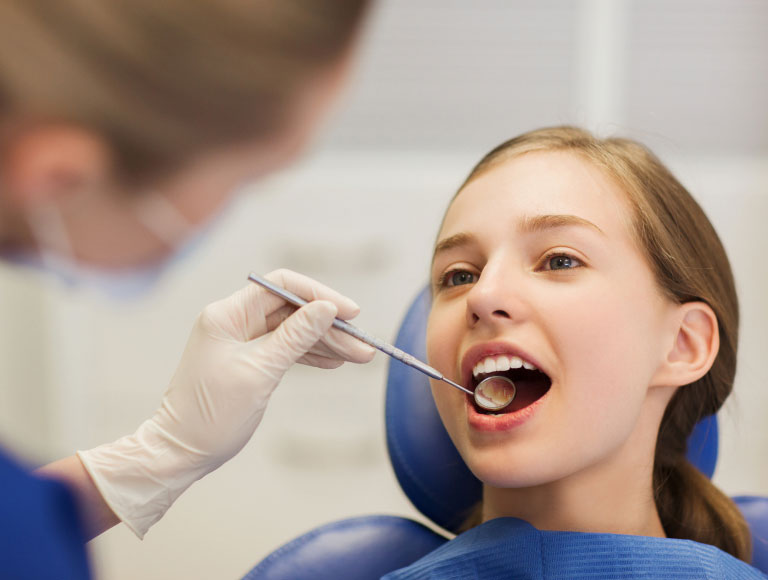
The evaluation begins with a thorough dental exam, including X-rays and 3D imaging to assess bone structure and oral health. The dentist reviews medical history, discusses expectations, and evaluates if the patient’s jawbone can support the implants.
Sometimes, the process includes impression taking and planning the exact position of the implants. The dentist will explain the surgical procedure and answer any questions. This step-by-step evaluation helps create a personalized treatment plan focused on comfort and predictable results.
Benefits of Choosing All-on-4 Implants in Stockton
All-on-4 implants offer a durable solution that tackles chewing difficulties, enhances appearance, and supports overall oral health. This approach provides specific advantages in comfort, confidence, and long-term dental well-being for those dealing with significant tooth loss.
Restoring Comfort and Function
All-on-4 implants use just four strategically placed titanium screws to anchor a full arch of teeth. This method eliminates the need for messy adhesives common with traditional dentures. Patients report feeling more stable when eating, speaking, and laughing without the worry of shifting teeth.
Because the implants fuse directly to the jawbone, they provide strong support and restore bite force closer to that of natural teeth. This means most foods can be enjoyed again, from crunchy vegetables to chewy meats. The quicker healing time compared to other implant methods also means less downtime and discomfort during recovery.
Boosting Self-Confidence With a Natural Smile
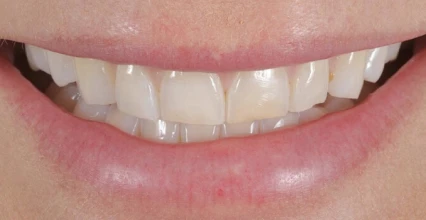
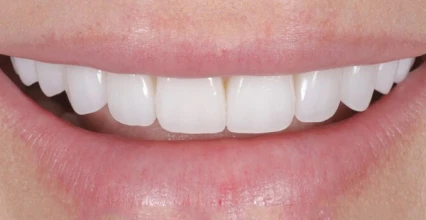
The design of All-on-4 implants mimics the natural appearance of teeth. Customized prosthetics match the patient’s gums and tooth shade, providing a seamless, attractive smile. This can help reduce self-consciousness many experience with missing or removable teeth.
Patients often note feeling more comfortable in social and professional settings. Smiling, talking, or eating out no longer requires concern about denture slips or gaps. This improvement in appearance frequently leads to renewed motivation to maintain oral health and social interaction.
Long-Term Oral Health Advantages
All-on-4 implants help preserve the jawbone by stimulating it during everyday chewing. This prevents bone loss that usually follows tooth extraction or long-term denture use. Maintaining bone density supports facial structure and prevents premature sagging or hollowed cheeks.
Since the implants reduce pressure on other teeth, they can protect existing natural teeth from shifting or wear. The implant-supported prosthesis is also easier to clean and maintain compared to traditional dentures, reducing the risk of infections and gum disease. Regular dental visits can keep implants healthy and extend their lifespan significantly.
What the Treatment Journey Looks Like
The All-on-4 implant process in Stockton, CA, involves clear, well-planned steps designed for comfort and effectiveness. From preparing for the procedure to recovery, each phase is important in ensuring a smooth experience and strong results.
Preparing for Your Procedure
Before the procedure, patients undergo a thorough dental exam involving X-rays and 3D scans. These images help the dentist plan the exact placement of the implants.
Patients should share their full medical history and any medications they take. This helps prevent complications and allows the dentist to tailor care for individual needs.
A treatment plan is created, explaining what to expect on the procedure day and afterward. Patients may be advised to avoid eating or drinking for several hours before the appointment.
What Happens on Implant Day
On the day of the procedure, local anesthesia is applied to ensure comfort. Sedation may also be offered to help patients relax.
The dentist inserts four implants into the jawbone at strategic angles. This approach maximizes stability and reduces the need for bone grafting.
Once implants are placed, a temporary set of teeth is attached. These offer immediate function and appearance while the implants heal.
Immediate Recovery Experience
After the procedure, some swelling and minor discomfort are normal. Pain medication and ice packs can help manage these symptoms.
Patients should follow a soft-food diet for the first few days. Avoiding hard or sticky foods helps protect the implants and supports healing.
Regular oral hygiene is essential, but care takes a gentle approach around the implant sites. The dentist provides specific cleaning instructions to minimize infection risk.
Personalized Care at Local Dental Practices
Local dental offices in Stockton take a tailored approach to All-on-4 implants, focusing on individual patient needs and comfort. They combine professional expertise with modern tools to provide clear treatment plans and a smooth experience.
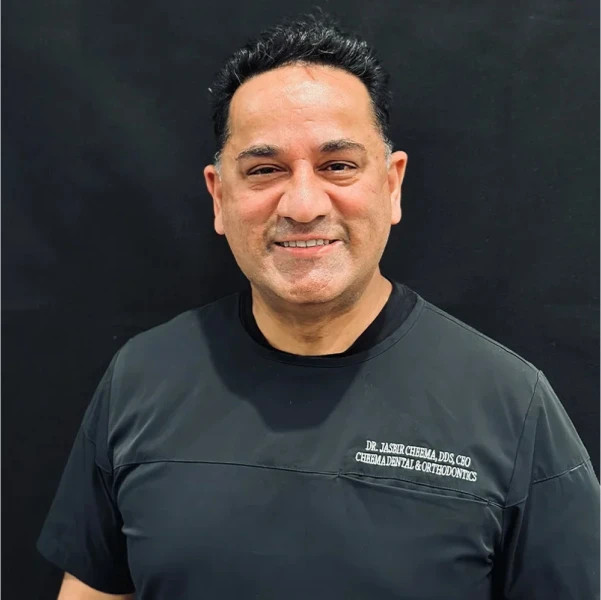
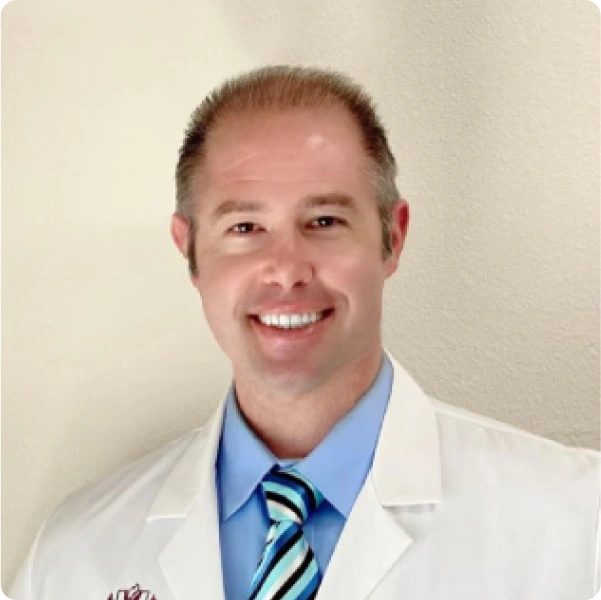
Meet Your Stockton Dental Team
Stockton dental teams include experienced implant specialists who listen carefully to each patient’s story and concerns. They often start with a thorough evaluation, including reviewing dental history and examining oral health to design a treatment plan suited to the patient’s unique situation.
The staff works to ease anxiety through patient education, explaining each step of the All-on-4 process in simple terms. Friendly team members support patients throughout every appointment, from initial consultation to final implant fitting, ensuring clear communication and compassionate care.
Modern Technology for Precision and Comfort
Local dentists in Stockton use advanced imaging tools such as 3D cone beam scans for precise implant placement. This technology maps the jawbone in detail, reducing discomfort and improving implant stability.
Digital impressions replace messy molds, making the process quicker and more comfortable. Computer-guided surgery often shortens procedure time and promotes faster healing. Patients benefit from these innovations with less pain and more predictable results, making All-on-4 implants a practical option for restoring smiles.
Caring for Your New Smile
Proper care helps keep All-on-4 implants clean, comfortable, and lasting. Paying attention to daily hygiene and ongoing habits plays a big role in protecting the implants and surrounding gums.
Daily Cleaning Tips
Brushing twice a day with a soft-bristle toothbrush is essential. Use non-abrasive toothpaste to avoid damaging the implant surface. Cleaning around the implant posts and under the prosthesis is critical to prevent plaque build-up.
Floss daily with floss designed for implants or use special interdental brushes. Rinsing with an antimicrobial mouthwash helps reduce bacteria and keeps breath fresh. He or she should also avoid hard or sticky foods immediately after surgery to protect healing tissues.
Regularly inspecting the gums and prosthesis for any redness, swelling, or unusual changes can catch issues early. If discomfort or looseness occurs, contact the dental provider promptly.
Maintaining Results for the Long Run
Scheduling routine check-ups and professional cleanings every six months ensures the implants remain healthy. During these visits, the dentist will examine the bone support and prosthesis fit.
Lifestyle habits impact implant longevity. Avoiding tobacco use and limiting alcohol benefits oral tissue health. A balanced diet with vitamins supports gum repair and strength around implants.
If grinding or clenching teeth occurs, a custom night guard recommended by the dentist protects the new smile from damage. Staying proactive with these habits preserves both function and appearance over time.
For personalized guidance and any concerns, consulting the dental team in Stockton, CA, is the best step toward lasting implant success.
Common Questions and Patient Experiences
Many patients wonder about comfort during the procedure and how anesthesia is handled. Others want to hear real stories from locals who have gone through the All-on-4 implant process in Stockton, CA.
Talking About Comfort and Anesthesia
Most patients report manageable discomfort during the All-on-4 implant procedure. Local anesthesia is standard, numbing the mouth so they feel little to no pain during surgery. Sedation options, like nitrous oxide or oral sedatives, are often available for those with anxiety.
After the procedure, mild soreness or swelling is common but usually eases within a few days. Dentists recommend over-the-counter pain relievers and cold compresses to help. The goal is a smooth, pain-minimized experience so patients can focus on healing and enjoying their new smile.
Stories From Local Patients
Many Stockton residents say their lives improved dramatically after getting All-on-4 implants. One patient shared how they regained confidence to eat favorite foods without discomfort. Another mentioned how quick the implant process felt compared to traditional dentures.
Patients often highlight the supportive care from their dental team. They appreciate clear instructions and follow-up visits that ease any concerns. These firsthand experiences show the practical benefits, like lasting stability and restored function, that make All-on-4 a popular choice in Stockton.
Next Steps to a Healthier Smile
Once someone decides to explore All-on-4 implants in Stockton, the first step is usually a thorough consultation. During this visit, the dental professional will evaluate oral health, take X-rays, and discuss personal goals for the smile.
Preparation may involve addressing any existing dental issues, such as gum disease or tooth decay. This ensures a strong foundation for the implants and helps promote long-term success.
The actual implant procedure is often scheduled soon after. It typically involves placing four implants strategically in the jaw to support a full arch of teeth. Many patients appreciate that this method can reduce the treatment time and healing period.
After the implants are placed, maintaining good oral hygiene is essential. Brushing twice daily, flossing carefully around the implants, and visiting the dentist regularly will help keep the implants healthy and functioning well.
Key reminders for care:
- Use a soft-bristle toothbrush
- Avoid hard or sticky foods during healing
- Attend follow-up appointments as advised
Taking these steps will guide patients toward a healthier, more confident smile. They are encouraged to speak openly with their dentist about any concerns or questions along the way.
Frequently Asked Questions
Many patients wonder whether they qualify for full-arch dental implants, what the treatment journey looks like, and how recovery will feel. Questions about same-day teeth, managing discomfort, bone loss, and implant longevity are also common.
Am I a good candidate for full-arch dental implants if I have missing or failing teeth?
Candidates typically need good overall health and sufficient jawbone strength. Even with failing teeth, full-arch implants can often be placed after removing damaged teeth.
A detailed exam, including X-rays and scans, helps determine implant suitability. Your dentist assesses bone quality and overall oral health to create a personalized plan.
What is the step-by-step process from consultation to a new fixed smile, and how long does it usually take?
The process starts with a consultation and imaging to plan implants. Next comes surgery to place implants, often followed by fitting temporary teeth the same day.
Final teeth are usually attached several months later, after the implants fuse with bone. The entire process often takes 3-6 months.
Will I be able to get a temporary set of teeth the same day as surgery, and what can I eat afterward?
Many patients receive a temporary fixed set on the day of implant surgery. These temporary teeth allow for normal function without the wait.
Soft foods like soups, mashed potatoes, and smoothies are recommended for the first few days. Avoid hard or chewy foods during healing.
How much discomfort should I expect during recovery, and what helps healing go smoothly?
Mild to moderate discomfort and swelling is normal after surgery. Over-the-counter pain relievers and ice packs usually manage symptoms well.
Following post-op instructions, keeping your mouth clean, and avoiding strenuous activity speed healing. Regular check-ins with your dentist help track progress.
What happens if I’ve been told I have bone loss—do I still have options without extensive grafting?
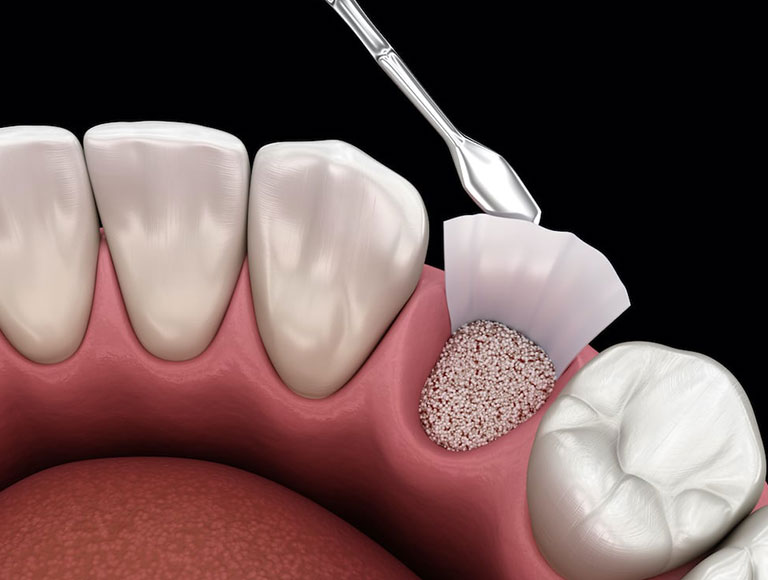
Full-arch implants use angled placement to maximize existing bone, often avoiding grafts. This All-on-4 approach suits many with bone loss.
Advanced imaging guides precise implant positioning. Your dentist will discuss alternative methods to restore your smile without lengthy grafting procedures.
How long do full-arch implants typically last, and what daily care and maintenance will they require?
With proper care, full-arch implants can last 15 years or more. Daily brushing, flossing, and routine dental visits are essential for implant health.
Avoid habits like smoking, which can harm implant success. Regular maintenance preserves your new smile’s function and appearance.