If you live in Stockton and wonder whether Invisalign fits your budget, this post breaks down typical costs, what drives price differences, and how to spot payment options that make treatment affordable. Most patients in Stockton can expect Invisalign to range roughly from $3,000 to $7,500, depending on case complexity, provider experience, and whether insurance or financing applies.
They will explain how treatment type, length, and local dental fees shape the final estimate, and point to insurance coverage, payment plans, and dental membership options that often reduce out‑of‑pocket expense. Expect clear steps for choosing a trusted Stockton provider, what to ask at your consultation, and how to weigh long‑term value versus upfront cost.
Understanding Invisalign Treatment

Invisalign moves teeth with a series of clear, removable aligners designed to address alignment, spacing, and bite issues. Readers will learn how the system works, who typically qualifies, and what a treatment timeline looks like at Stockton dental practices.
How Invisalign Works
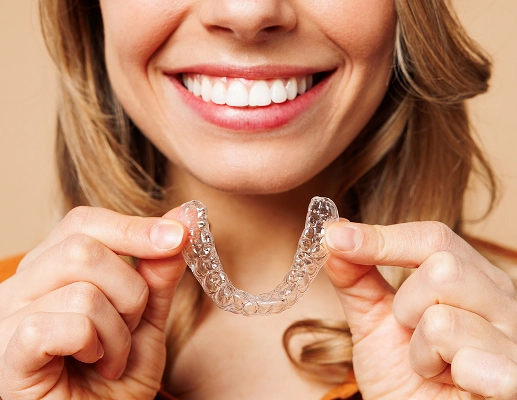
Invisalign uses custom 3D scans to design a sequence of aligners that gradually shift teeth into the planned positions. Each aligner fits snugly and is worn about 20–22 hours per day, changing to the next tray every 1–2 weeks as directed by the orthodontist or dentist.
The aligners apply controlled pressure to specific teeth; attachments (tooth-colored resin bumps) may be bonded to teeth to improve grip or movement. Regular check-ins—often every 6–10 weeks—let the clinician monitor progress and adjust the plan if necessary.
Patients remove aligners for eating, drinking (anything other than water), and oral hygiene, which reduces dietary restrictions and can improve cleanliness compared with fixed braces. Proper wear and care directly affect treatment speed and final results.
Who Is a Candidate for Invisalign
Invisalign fits many adults and teens with mild to moderate crowding, spacing, crossbites, and some overbites or underbites. Complex skeletal issues or severe bite problems may still require traditional braces or combined orthodontic and surgical approaches.
Good candidates commit to wearing aligners 20–22 hours per day, maintain excellent oral hygiene, and attend regular appointments. Smokers, heavy bruxers, or patients with poor restorative dental work may need additional evaluation or prep before starting.
Stockton practitioners often assess X-rays, photographs, and digital scans to confirm suitability, then present clear cost estimates and alternative options when Invisalign isn’t the best choice.
Treatment Timeline at Stockton Practices
Initial consultation typically includes a clinical exam, digital impressions, and a treatment plan with a projected timeline. Many Stockton offices provide a digital preview (ClinCheck) showing the proposed tooth movements and estimated duration, commonly 6–18 months for adults.
After the lab fabricates the aligners—usually 2–4 weeks—patients begin wearing the first set under guidance. Stockton clinics schedule follow-ups every 6–10 weeks to check fit, dispense additional aligners in batches, and monitor oral health.
Factors that affect timeline include severity of the case, patient compliance, use of attachments or elastics, and any restorative work required. Stockton practices often offer clear pricing tiers, in-house financing, and insurance coordination to help patients plan payments.
What Influences Invisalign Pricing in Stockton
Invisalign cost in Stockton depends on treatment complexity, provider experience, and patient-specific needs. Insurance coverage, payment plans, and local market factors also shape final out-of-pocket amounts.
Factors That Affect Total Cost
Treatment complexity drives the largest share of price variation. Mild cases needing minor tooth movement often require fewer aligners and shorter treatment times, which can cost between $3,000–$4,500. Moderate to severe crowding, bite correction, or restorative work can push costs to $5,500–$8,000 because clinicians plan more aligners, attachments, and refinements.
Provider qualifications and technology matter. Board-certified orthodontists typically charge more than general dentists due to specialized training and use of advanced scanning or 3D planning tools. Pre-treatment work such as extractions, crowns, or periodontal care adds separate fees. Follow-up visits, retainers, and potential refinements appear in final billing, so patients should request an itemized estimate.
Comparing Average Costs With Braces
Traditional metal braces in Stockton typically run $2,500–$6,000 depending on complexity and clinic. Invisalign’s average sits slightly higher because of custom aligners and digital treatment planning, though clear aligners may cost similarly for comparable cases. For example, a moderate case might be $4,200 for braces and $5,200 for Invisalign at the same practice.
Some patients value aesthetics and removable trays and are willing to pay the premium. Others prioritize absolute cost and choose braces or hybrid treatments. Insurance plans that apply a fixed orthodontic lifetime maximum (commonly $1,000–$2,000) reduce out-of-pocket in similar proportions for both options, so comparing total patient responsibility is crucial.
Local Pricing Variations
Clinic location within Stockton affects fees; practices near downtown or upscale neighborhoods often charge more than suburban offices. Competition also influences price—areas with more providers may offer promotional pricing or flexible financing. Specialized clinics that market adult orthodontics or cosmetic dentistry might include bundled services, increasing nominal prices but adding value like whitening or advanced retainers.
Payment options change affordability. Many Stockton practices offer 0% interest financing for 12–24 months, sliding-scale fees, or in-house financing that spreads cost without third-party lenders. Patients should compare written estimates, check provider credentials, and ask about hidden costs such as replacement aligners or missed-appointment fees to avoid surprise expenses.
Insurance and Payment Options
Patients in Stockton often ask about how to make Invisalign affordable. This section outlines common insurance coverages, payment plans, and tax-advantaged account options to help readers plan treatment without surprises.
Dental Insurance Coverage
Many Stockton dental plans categorize Invisalign under orthodontic benefits, but coverage varies widely. Some employer plans cover a percentage (commonly 25–50%) of orthodontic care up to a lifetime maximum, while other plans exclude clear aligners and only cover traditional braces.
Patients should call their insurer and ask specifically: “Is Invisalign covered under orthodontic benefits? What’s the percentage, lifetime maximum, and any age restrictions?” They should also request the plan code for pre-authorization and submit it to the dental office to confirm patient responsibility before starting treatment.
Dental offices in Stockton routinely handle benefit checks and pre-authorizations. That reduces surprises and gives an estimated patient-pay amount. If coverage is partial, patients can combine insurance with a payment plan or FSA/HSA funds to cover the remainder.
Flexible Payment Plans
Many Stockton orthodontic practices offer in-office financing with low or 0% interest for 6–24 months. Typical options include a down payment (often 10–20% of total cost) followed by fixed monthly installments that appear on a statement or autopay.
Third-party medical lenders like CareCredit and LendingClub Patient Solutions also provide tiered terms—short-term 0% APR plans and longer-term plans with interest. Approval depends on credit; patients should compare APR, fees, and total cost before choosing.
Patients should request an itemized estimate showing total cost, down payment, monthly payment, and any lab or refinement fees. Clear documentation helps compare practice offers and outside lenders and prevents unexpected charges during treatment.
Health Savings and FSA Benefits
Flexible Spending Accounts (FSA) and Health Savings Accounts (HSA) both allow pre-tax dollars to pay for Invisalign when the insurer treats it as an orthodontic medical expense. Patients can use debit cards linked to these accounts or submit receipts for reimbursement.
FSA funds typically expire at year-end or have a small carryover, so patients should confirm plan deadlines before scheduling. HSA funds roll over annually and remain available if the patient meets eligibility criteria tied to high-deductible health plans.
For reimbursement, patients should keep a detailed invoice listing diagnosis code, treatment dates, and provider NPI. If an insurer denies coverage but a dentist issues an invoice showing medical necessity, many HSAs/FSAs will still accept the claim. Patients in Stockton can ask their dental office to provide the exact documentation needed for their plan.
Benefits of Investing in Invisalign
Invisalign offers discreet alignment, improved oral health, and fewer lifestyle disruptions compared with traditional braces. Patients can expect clearer aesthetics, easier cleaning, and treatment adaptable to work, school, and social life.
Appearance and Comfort
Invisalign aligners are made from smooth, clear thermoplastic that fits snugly over teeth, making them much less noticeable than metal brackets and wires. Many patients in Stockton choose Invisalign when they prioritize a low-profile look during professional events or photos.
The aligners don’t contain sharp edges that can irritate cheeks or lips. That reduces soreness and the need for emergency visits caused by broken brackets. Providers often deliver a sequence of aligners that gradually shift teeth, which spreads pressure over many small movements rather than sudden adjustments.
Custom-fit trays also preserve speech patterns better than bulky appliances. Patients typically adapt within a few days and report fewer disruptions to daily activities like speaking, exercising, or playing wind instruments.
Oral Health Advantages
Removable aligners let patients maintain usual brushing and flossing routines, which lowers plaque buildup and reduces the risk of cavities and gum inflammation during treatment. Unlike fixed braces, there are no brackets or wires where food can accumulate and hide bacteria.
Precise tooth movements can correct crowding, spacing, and minor bite issues that otherwise make cleaning difficult. Improved tooth alignment helps reduce abnormal wear on enamel and can ease stress on the jaw joints, potentially decreasing discomfort associated with uneven bites.
Dentists can combine Invisalign with preventive care—professional cleanings, topical fluoride, and targeted monitoring—to preserve enamel and gum health throughout treatment. Regular follow-up visits let clinicians catch and address any decay or gum problems early.
Lifestyle Flexibility
Patients remove aligners to eat, so there are no dietary restrictions like avoiding popcorn or sticky candies. That makes mealtimes easier for families and professionals who prefer not to alter their usual diets during months of treatment.
Travel and sports are simpler because aligners are easy to pack and replace; patients can store trays in a compact case and carry spare sets. For athletes, there’s no need for orthodontic wax or special mouthguards in most cases, since aligners can act as a thin protective layer during contact-free activities.
Work and social calendars stay intact because fewer emergency appointments occur and periodic check-ins are generally brief. Many clinicians in Stockton offer flexible scheduling and digital progress tracking, so patients balance treatment with busy lives without frequent disruptions.
Selecting the Right Invisalign Provider in Stockton
Choosing a provider affects cost, comfort, and treatment speed. Patients should look for clear pricing, transparent timelines, and a provider who explains risks and alternatives in plain language.
Questions to Ask During Consultation
Ask for a full cost breakdown: initial exam, digital scans, aligners, refinements, retainers, and any possible emergency visits. Request written estimates and ask how insurance or HSA/FSA applies, and whether monthly financing or in-office payment plans are available.
Clarify the expected treatment length and how the office handles missed or lost aligners. Ask how often appointments occur, whether remote monitoring is offered, and who manages adjustments. Request examples of before-and-after cases similar to the patient’s issue.
Probe about potential additional costs for attachments, enamel reshaping, or IPR (interproximal reduction). Ask if the quoted price covers post-treatment retainers and follow-up checks. Confirm cancellation or refund policies for any unused aligners.
Credentials and Experience
Verify that the provider is a licensed dentist or orthodontist with Invisalign certification. Ask how many Invisalign cases they have completed and how many aligner cases they handle monthly. Higher case volume often correlates with smoother workflows.
Look for providers who share clinical photos, patient testimonials, or case records for similar corrections (crowding, spacing, open bite). Check local reviews and state dental board records for any disciplinary actions. Confirm continuing education—courses on digital orthodontics, 3D scanning, or clear aligner techniques show current expertise.
Consider whether the practice uses advanced tools such as iTero or other intraoral scanners and validated software for treatment simulation. Experience combined with modern equipment improves predictability and can reduce unexpected costs or treatment delays.
Personalized Treatment Planning
A thorough treatment plan starts with a comprehensive exam: full-mouth X-rays, bite records, and 3D scans. The provider should present a ClinCheck or similar treatment simulation showing step-by-step tooth movements and estimated timeline.
Ensure the plan specifies if auxiliary procedures are needed: extractions, IPR, attachments, or interproximal reduction. Ask how the plan measures success—criteria for finishing, retention strategy, and contingency plans for refinements or relapse.
Look for communication about daily life: expected discomfort, aligner wear schedule, eating and oral hygiene guidance, and emergency contact procedures. Personalized plans that balance clinical goals with the patient’s schedule and budget produce better adherence and outcomes.
Steps to Get Started With Invisalign Locally
Patients get a clear path: schedule a consult with a Stockton Invisalign provider, bring insurance and medical history, and plan for impressions or a 3D scan during the first visit. Costs, financing, and treatment timelines get clarified early so patients can decide confidently.
Booking a Consultation
Call or use a clinic’s online form to request an Invisalign consultation at a Stockton dental office that offers clear aligner treatment. Ask for available appointment types (new-patient exam vs. Invisalign-specific consult) and whether the consult includes 3D scanning, X-rays, or just an exam.
Prepare these items when booking:
- Insurance details (carrier, plan, ID number).
- A list of current medications and major past dental work.
- Preferred dates and whether evenings/weekends are needed.
Confirm whether the clinic offers financing, CareCredit, or in-house payment plans and ask for an estimate range based on typical cases. Request the provider’s Invisalign experience level (years treating aligners, number of cases) and whether a board-certified orthodontist or a general dentist will manage the case.
Preparing for Your Visit
Arrive 10–15 minutes early with a photo of your smile taken in natural light and your insurance card. This helps staff create records quickly and allows the provider to compare initial photos to future progress.
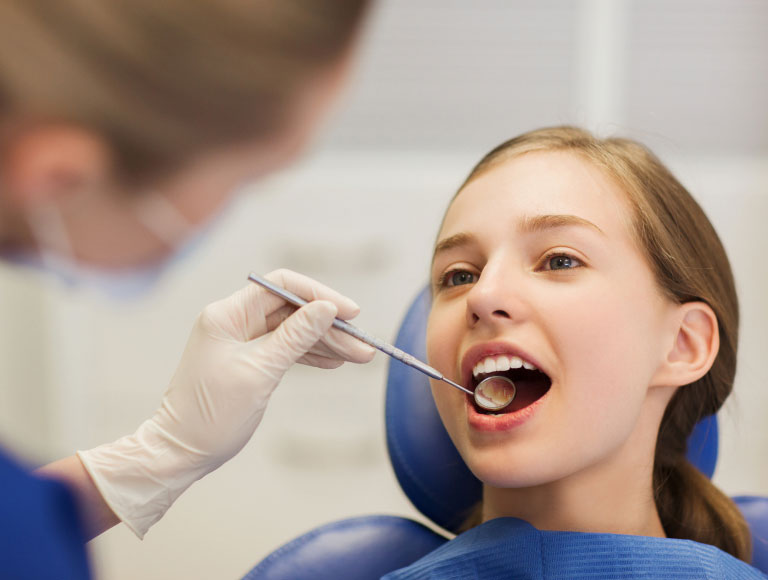
Expect a clinical exam, digital X-rays or an intraoral 3D scan, and a discussion of goals and limitations. The provider will review treatment options, estimate duration (commonly 6–18 months), and outline out-of-pocket costs and payment options.
Bring a list of questions about attachments, wear time (usually 20–22 hours/day), and check-up frequency. Patients should also note any previous orthodontic work or TMJ issues so the clinician can tailor the plan.
Long-Term Value of Straighter Teeth
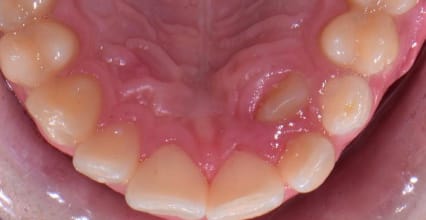
Straighter teeth often reduce the risk of uneven wear and tooth fractures. When teeth align correctly, chewing forces distribute more evenly, which can help preserve enamel and prevent costly restorative work later.
Improved alignment also supports better oral hygiene. Brushing and flossing become easier, lowering the chance of cavities and gum disease that might require deep cleanings, root canals, or periodontal treatments.
People with aligned teeth tend to experience a more confident smile, which can influence social and professional interactions. That confidence can lead to tangible benefits like better first impressions during interviews or meetings.
Dental insurance and flexible payment plans can make the investment in Invisalign more manageable in Stockton. Many practices offer in-house financing or work with third-party lenders to spread costs over time.
Consider these typical long-term savings and benefits:
- Reduced restorative work (fillings, crowns)
- Lower periodontal treatment costs
- Fewer emergency visits for chips or broken teeth
- Improved oral hygiene and prevention
A consultation helps estimate how much straighter teeth might save an individual over years. Dentists in Stockton can provide personalized cost comparisons and timelines, explain maintenance like retainers, and outline realistic outcomes.
They encourage patients to ask about payment options, expected follow-up care, and how treatment fits into overall dental health goals. Contacting a local provider answers specific cost questions and starts a preventive plan tailored to the patient.
Embracing a Confident Smile in Stockton
Patients in Stockton find that modern orthodontics fits into busy lives without major disruption. Invisalign aligners are discreet and removable, so daily routines like work, school, and family meals continue with minimal change.
Many local clinics offer personalized treatment plans and flexible payment options. This helps make clear aligners more affordable and achievable for different budgets.
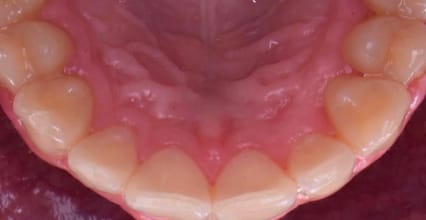
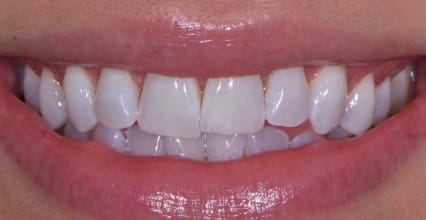
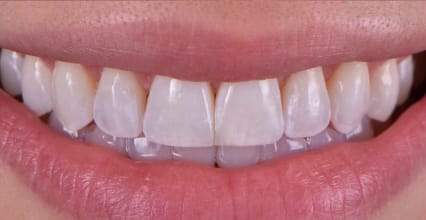
Comfort matters, and Invisalign typically causes less irritation than traditional braces. Regular check-ins with a dentist or orthodontist keep progress on track and address any questions quickly.
Residents appreciate seeing predictable results in months rather than years, depending on case complexity. Compliance with nightly and daily wear recommendations remains the main factor in treatment speed and outcome.
To help decision-making, patients can request a consultation that includes a cost estimate, timeline, and digital mock-up of expected results. That one visit often eases concerns and lays out practical next steps.
They should feel invited to ask about insurance coverage, HSA/FSA use, and in-office financing. Friendly staff at neighborhood practices can explain options and schedule follow-ups to suit each patient’s life and goals.
Frequently Asked Questions
This section answers common cost questions about clear aligner treatment in Stockton, including typical price ranges, factors that change estimates, insurance and financing, and what is usually included in a quoted fee.
How much do clear aligners typically cost in the Stockton area?
Clear aligner treatment in Stockton usually ranges from about $2,000 to $7,000. Most patients pay between $3,000 and $5,500 depending on case complexity and provider.
Prices at local practices vary between private orthodontists, general dentists offering Invisalign, and direct-to-consumer options. Each setting affects cost, monitoring frequency, and included services.
What factors can make the total price go up or down for my smile plan?
Treatment complexity increases cost—severe crowding or bite correction requires more aligners and chair time. Additional procedures like attachments, interproximal reduction (IPR), or elastics also raise the fee.
Provider experience and location affect rates; an experienced orthodontist in a high-rent area may charge more. Technology used for scans, 3D planning, and the number of in-person visits also changes the final price.
Is around $5,000 a normal price for treatment, or should I be concerned?
Around $5,000 falls within the common range for comprehensive clear aligner care in Stockton. That price is typical for moderate-to-complex cases managed by dental offices that include in-person monitoring and retainers.
Compare what’s included—if $5,000 covers scans, progress checks, and retention, it’s reasonable. If it excludes essentials or comes with many extra fees, ask for a detailed estimate before committing.
Do most dental offices offer monthly payment plans or financing options?
Yes, many Stockton dental and orthodontic offices provide monthly payment plans or third-party financing. Typical in-office plans let patients split costs over 6–24 months interest-free or low-interest options.
Providers often pair financing with insurance claims to lower out-of-pocket expenses. Patients should request written payment terms and calculate total cost with any interest.
Will my dental insurance help cover any portion of clear aligner treatment?
Some dental insurance plans offer partial coverage for orthodontic treatment, including clear aligners, especially if treatment is medically necessary. Coverage limits, lifetime maximums, and age restrictions vary by plan.
Patients must verify specifics with their insurer and submit preauthorization when available. Many offices will assist with claims and estimate the insurer’s portion before treatment begins.
What’s usually included in the quoted price—scans, retainers, and follow-up visits?
A comprehensive quote typically includes initial consultation, digital scans or impressions, the set of aligners, routine progress appointments, and a set of retainers at the end. Follow-up visits for adjustments or minor refinements often fall under the quoted fee.
Some offices charge extra for replacement retainers, refinement aligners beyond the planned set, or accelerated treatment tools. Always ask for an itemized list of services, number of visits covered, and fees for potential add-ons.