
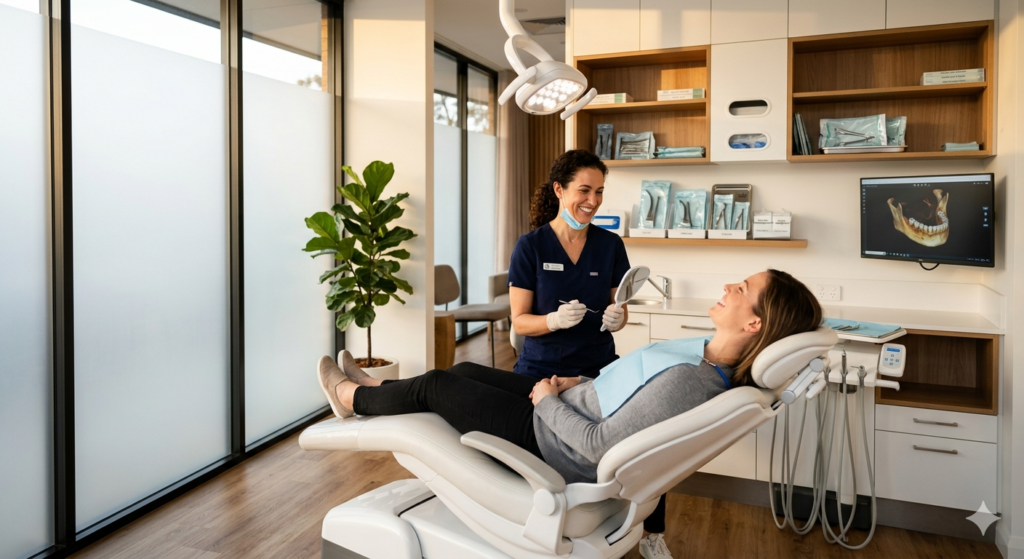
Many people in Stockton, CA, worry that dental implants will be too expensive for their budget. Fortunately, affordable options are available without sacrificing quality or comfort. Affordable dental implants in Stockton combine modern techniques with personalized care to make restoring your smile possible and accessible.
Dental implant providers in Stockton focus on clear pricing and flexible payment plans to ease financial concerns. They use the latest technology to minimize discomfort and speed healing, helping patients feel confident throughout the process.
If someone is considering implants but unsure about the cost or procedure, talking with a local expert can provide answers tailored to their needs. A friendly consultation can clarify options and help plan effective, budget-conscious care.
What Are Dental Implants?
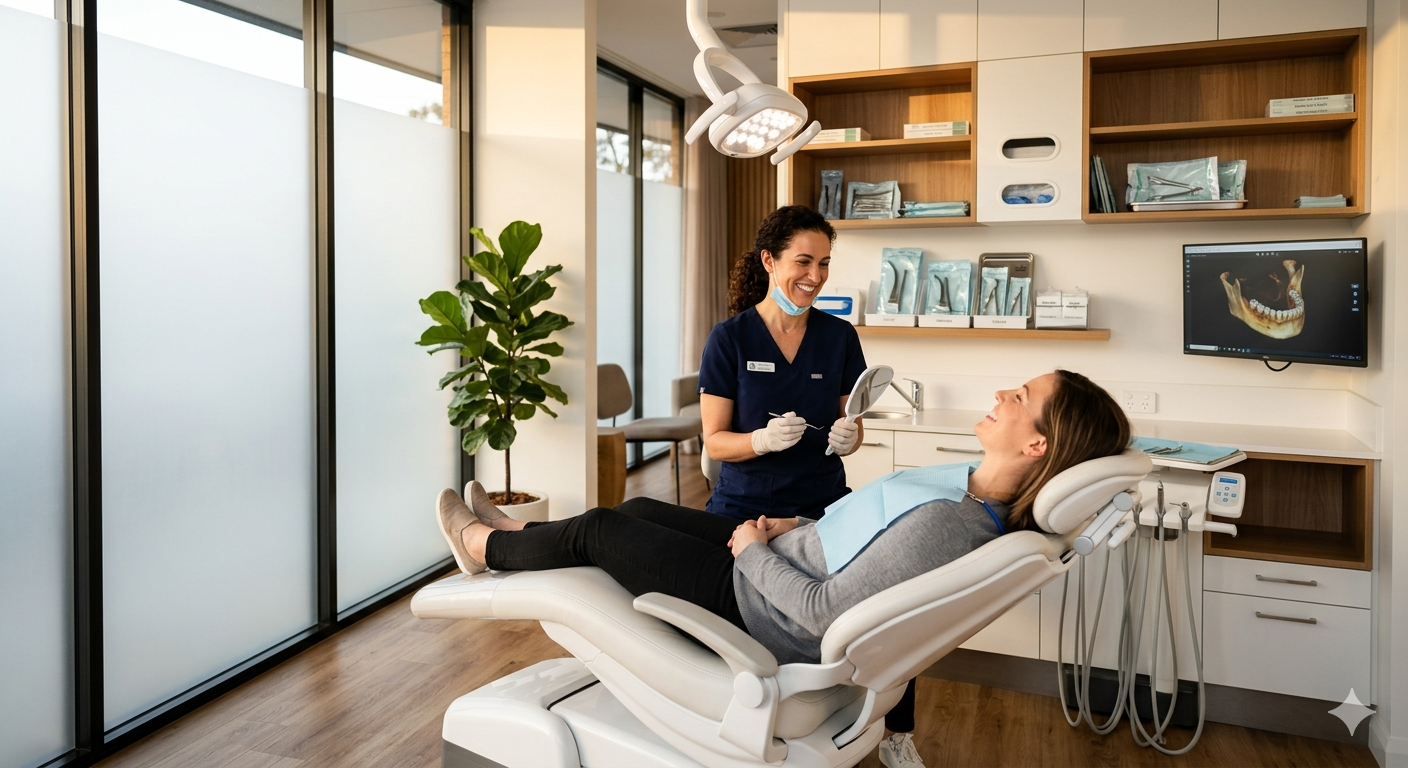
Dental implants are specialized devices designed to replace missing teeth in a way that feels both natural and secure. They offer a durable solution that restores the ability to chew, speak clearly, and maintain facial structure. Understanding how implants function, the options available, and who benefits most is essential for anyone considering this treatment.
How Dental Implants Work
A dental implant acts as an artificial tooth root, typically made of titanium, which is surgically placed into the jawbone. Over several months, the bone grows around the implant through a process called osseointegration, firmly anchoring it in place.
Once the implant is stable, a connector called an abutment is attached. This supports a replacement tooth or crown, which is designed to match the color and shape of natural teeth. The result is a restoration that looks and functions like a real tooth.
The entire procedure requires careful planning and multiple visits, but many patients find the long-term benefits worth the commitment.
Different Types of Dental Implants
There are several types of dental implants, each suited to different needs and jaw conditions. The most common is the endosteal implant, which is placed directly into the jawbone. It’s ideal for patients with good bone density.
Another option is the subperiosteal implant, which rests on top of the bone but under the gum tissue. This type is typically used for patients with insufficient bone height.
Implants also vary by design, such as single implants for one tooth or implant-supported bridges for multiple teeth. The choice depends on the patient’s oral health, budget, and personal preferences.
Who Is a Good Candidate for Implants
Good candidates for dental implants are those with healthy gums and sufficient bone to support the implant. Non-smokers tend to have better treatment outcomes, as smoking can impair healing.
Patients should be free from uncontrolled medical conditions like diabetes or immune disorders that could interfere with recovery. For those lacking adequate bone, procedures like bone grafting might be recommended.
A dental professional will assess overall oral health, including the condition of surrounding teeth and gums, to determine implant suitability. This personalized evaluation ensures the best chance for successful implant integration and function.
Benefits of Affordable Dental Implants in Stockton CA
Affordable dental implants in Stockton offer practical solutions for people seeking to replace missing teeth without excessive cost. These implants provide natural-looking results, strong function, and long-lasting benefits that improve daily life in several key ways.
Restoring Confidence with Your Smile
Affordable dental implants help restore a natural smile by closely mimicking real teeth. Patients often feel more confident in social and professional situations once their missing teeth are replaced. This boost isn’t just about appearance—it affects self-esteem and willingness to engage openly with others.
Because the implants are securely anchored in the jawbone, they don’t shift or slip like dentures can. This stability means they look and feel like natural teeth, allowing for relaxed smiles without worry. Stockton dental providers prioritize comfort and aesthetics to ensure patients regain a bright, healthy smile.
Long-Term Advantages over Other Options
Compared to dentures or bridges, affordable dental implants last longer and require less maintenance. Implants integrate with the jawbone through a process called osseointegration, which preserves bone health and prevents shrinkage over time. This lowers the risk of future dental issues.
While denture replacements may need frequent adjustments, dental implants are designed for durability. Proper care and regular dental visits keep them strong for decades, making implants a cost-effective choice over the years. Many Stockton dentists also offer flexible payment plans to ease upfront costs.
Improved Chewing and Speech
Dental implants restore full chewing ability, enabling patients to eat a varied diet without discomfort or fear of slipping teeth. Unlike dentures that can limit food choices, implants provide the same biting power as natural teeth. This promotes better nutrition and enjoyment of meals.
Speech clarity also improves with dental implants because they stay firmly in place. Dentures sometimes cause slurred or mumbled speech due to movement, but implants avoid this problem. Patients in Stockton find themselves communicating more naturally, which enhances confidence in daily interactions.
Finding Affordable Dental Implants in Stockton
Locating budget-friendly dental implants involves more than just comparing prices. It’s important to weigh services offered, understand payment options, and consider long-term value. Paying attention to these details helps patients find solutions that fit both their dental needs and wallets.
Comparing Local Implant Providers
Stockton has several dental clinics offering implant services, but prices and quality can vary widely. Patients should research credentials, patient reviews, and the technology used before making decisions. Some providers use modern 3D imaging and guided surgery, which may increase costs but improve results.
Visiting multiple offices for consultations can help patients understand differences in care. Asking about the dentist’s experience with implants and warranty policies lets patients feel confident in their choice. Transparent pricing should include all fees for surgery, abutments, crowns, and follow-up visits.
Understanding Pricing and Value
Dental implant costs in Stockton typically range from $3,000 to $5,500 per implant, depending on materials and procedures. Lower prices might exclude essential steps like bone grafting or high-quality crowns, which can affect implant longevity.
Value isn’t only about upfront cost; it’s also about durability and patient comfort. Patients should inquire if the price covers necessary scans, anesthesia, and any emergency care. Selecting a provider with clear communication around what’s included helps prevent unexpected bills.
Payment Plans and Financing Options
Many Stockton dental offices offer flexible payment plans to ease financial strain. Monthly installments often have no interest or low rates if paid within a set term. Financing through third-party companies like CareCredit is another option, allowing manageable payments over time.
Patients should ask about eligibility, down payment requirements, and total repayment amounts before committing. Some clinics also offer discounts for multiple implants or bundle procedures. Reviewing all payment options during the consultation ensures patients find a manageable solution.
The Dental Implant Process: Step by Step
Getting dental implants involves several carefully planned stages that ensure comfort and successful results. From the first visit to full recovery, each step is designed to prepare the mouth and promote healing.
Your Initial Consultation
During the first visit, the dentist evaluates the patient’s overall oral health. This includes assessing bone density and gum condition, often with X-rays or 3D scans. These diagnostic tools help determine if the jawbone can support implants or if bone grafting is necessary beforehand.
The dentist also discusses medical history and lifestyle habits, such as smoking, which can affect implant success. A personalized treatment plan is then created, focusing on the number of implants needed, type of restoration, and estimated cost. Patients receive a clear explanation of the procedure and answers to any questions, helping them feel confident and informed before moving forward.
Preparing for Implant Placement
Before implant surgery, any existing dental issues like tooth decay or gum disease must be treated. Good oral hygiene is crucial at this stage to reduce infection risk. Patients may receive antibiotics as a precaution.
The implant site is prepared by numbing the area with local anesthesia or sedation to ensure comfort. In some cases, small incisions are made to expose the bone. Then, the titanium implant post is carefully inserted into the jawbone. This post acts as an artificial tooth root. The dentist ensures precise placement for stability and to avoid surrounding structures like nerves.
Timeline for Healing and Recovery
After implant placement, the healing period starts, typically lasting 3 to 6 months. During this time, the implant integrates with the jawbone in a process called osseointegration. This fusion is essential for a strong foundation before attaching the crown.
Patients may experience mild swelling and discomfort, manageable with ice packs and prescribed pain relief. Regular check-ups monitor progress. Once healed, the abutment and final crown are installed, restoring function and appearance. Maintaining good oral care and avoiding hard foods during recovery supports the best outcome.
Patients are encouraged to ask questions about each phase to stay comfortable and reassured throughout the process.
What to Expect During and After Your Implant Procedure
The dental implant procedure is carefully designed to minimize discomfort and ensure effective healing. Patients should expect thorough care throughout surgery and clear guidance for recovery. Addressing common worries upfront helps make the process smoother and less intimidating.
Ensuring Comfort during Surgery
Before starting, patients receive local anesthesia or sedation to keep the area numb and reduce anxiety. The dentist works efficiently to place the implant with minimal trauma to surrounding tissue. Advanced tools and techniques help maintain precision and limit discomfort.
During surgery, most people feel pressure but little to no pain. The team closely monitors comfort levels and adjusts anesthesia if needed. Afterward, mild soreness or swelling is normal and can be managed using over-the-counter pain relievers and cold packs.
Aftercare and Healing Tips
Proper aftercare speeds healing and reduces complications. Patients should avoid smoking and limit physical activity for a few days. Eating soft foods like yogurt, mashed potatoes, or soup eases strain on the implant site.
Maintaining oral hygiene without disturbing the surgical area is crucial. Gentle brushing and saltwater rinses help keep the mouth clean. Follow-up appointments allow the dentist to check healing progress and address any issues early.
Common Concerns and How They’re Addressed
Worries about pain, infection, or implant failure are common. Dentists provide clear instructions and may prescribe antibiotics to prevent infection. If unusual pain or swelling occurs beyond the typical healing period, patients should contact their dentist promptly.
Implants are designed to fuse with the jawbone, creating a strong foundation for replacement teeth. Success rates are high when patients follow post-op care and maintain regular dental visits. Open communication with the dental team ensures concerns are quickly addressed for a positive experience.
Caring for Your New Implants
Proper care is essential to ensure dental implants last a lifetime. Maintaining good oral hygiene and knowing which foods to eat or avoid will protect the implant and support healing.
Simple Home Care Guidelines
Dental implants need the same daily attention as natural teeth. Brushing twice a day with a soft-bristled toothbrush helps remove plaque without damaging the implant surface. Using non-abrasive toothpaste is best to avoid scratching.
Flossing around the implant once daily is crucial. Special floss or interdental brushes designed for implants can clean tight spaces effectively. Rinsing with an antibacterial mouthwash can reduce bacteria that cause gum inflammation.
Regular dental check-ups and professional cleanings ensure the implant stays healthy. Patients should watch for signs like redness, swelling, or discomfort near the implant and contact their dentist promptly if any appear.
Foods to Enjoy and Foods to Avoid
Eating the right foods supports healing and long-term implant health. Soft foods like yogurt, mashed potatoes, and cooked vegetables are ideal in the early healing days. Gradually reintroducing firmer foods such as lean meats and nuts allows the implant to adjust naturally.
Avoid hard, sticky, or overly chewy foods that might stress the implant or surrounding gum tissue. Ice, hard candies, and popcorn kernels can cause damage or loosen the implant. Also, limit sugary snacks and drinks to prevent plaque buildup around the implant area.
Balanced nutrition with vitamins A, C, and calcium aids gum and bone recovery, promoting implant success. Drinking plenty of water also helps keep the mouth clean and hydrated.
Why Choose a Local Stockton Dentist for Dental Implants?
Selecting a dental implant provider close to home brings practical benefits that extend beyond convenience. It ensures ongoing support, familiarity with the patient’s medical history, and a deeper understanding of the area’s specific dental health challenges.
Personalized Attention Close to Home
A local Stockton dentist offers tailored care that suits individual needs. Because they see patients regularly, they build a relationship that helps customize treatment plans based on past dental records and lifestyle.
When unexpected issues arise, having a nearby specialist means faster appointments and easier communication. This continuous care reduces stress and improves the overall implant success rate.
Local dentists often provide flexible scheduling to accommodate busy life demands. They also understand how to make implant procedures comfortable, using sedation or other comfort techniques familiar to the community.
Understanding Your Community’s Needs
Dentists in Stockton are familiar with common oral health concerns in the region, like the effects of local diet or water quality on dental health. This knowledge helps them recommend preventive measures alongside implants.
Economic factors matter too. Stockton dentists are often prepared to offer affordable payment plans tailored to local incomes and insurance coverage options, making implants more accessible without compromising quality.
They also keep up-to-date on regional dental regulations and state guidelines, ensuring treatments meet the highest standards specific to California. This local insight supports both safety and effectiveness in care.
Getting Started with Dental Implants in Stockton
When someone considers dental implants in Stockton, the first step is usually a thorough consultation with a local dentist or specialist. This visit helps to evaluate overall oral health and discuss specific needs or concerns.
During the consultation, the dentist might recommend X-rays or 3D scans. These images give a clear picture of the jawbone’s condition, which is crucial for implant success.
Here’s what a typical starting process looks like:
- Initial exam: Check teeth, gums, and bone structure
- Imaging: Use X-rays or CT scans for detailed views
- Treatment planning: Customize implant type and placement
- Cost discussion: Review fees, insurance, and financing options
Patients often appreciate when dentists explain the implant process clearly. Knowing what to expect can ease nerves and make appointments less stressful.
Many Stockton dental offices also focus on comfort. Options like sedation or pain management are available to help patients feel relaxed during procedures.
For anyone thinking about implants, scheduling a consultation is the best way to get personalized advice. Asking questions during this visit can clarify any doubts and open the door to a confident treatment plan.
Frequently Asked Questions
Understanding costs, treatment timelines, and choices helps patients feel more comfortable about dental implants. It also clarifies financial options and what to expect during the process.
How much does a single-tooth dental implant typically cost in California, and what’s included in the price?
In California, a single-tooth dental implant usually ranges from $3,000 to $5,000. This price often includes the implant post, abutment, and crown but may vary depending on the provider and specific materials used.
What are the most budget-friendly options if I need to replace multiple teeth—implants, dentures, or a combination?
For multiple teeth, full or partial dentures tend to be the most affordable. Implant-supported dentures offer better stability but cost more, while implant bridges provide a middle ground by replacing several teeth with fewer implants.
Are there payment plans, financing, or discount programs that can make treatment fit a tighter budget?
Many dental offices in Stockton offer financing options like monthly payment plans or work with third-party lenders. Some also provide military discounts, senior rates, or special promotions to help patients manage costs.
What factors can increase the overall cost of implants, like bone grafting, extractions, or imaging?
Additional procedures such as bone grafts, tooth extractions, and 3D imaging scans can add hundreds or thousands to the total cost. These are necessary when existing bone or tissue health needs improvement before implant placement.
How do I compare local implant providers and reviews so I can choose a place I feel confident and comfortable with?
Look for providers with clear credentials and positive patient reviews highlighting care quality and comfort. Scheduling a consultation helps assess their communication style and office environment firsthand.
How long does the implant process take from first visit to final crown, and what does recovery usually feel like?
The implant process can take 3 to 6 months, including healing time after placing the post. Recovery varies but usually includes mild swelling and discomfort, which typically improve within a week or two.